실린더 헤드 씰 연소실, 밸브 및 스파크 플러그, 냉각수 통로를 형성하고 200 bar 압력 및 300 ° C 온도를 견딜 수 있습니다. Isuzu Cylinder Head Mold는 Isuz...

알루미늄 다이캐스팅은 구조 및 기계 오토바이 부품의 주요 제조 공정입니다. 을 사용하여 부품을 생산합니다. 엄격한 치수 공차, 높은 강도 대 중량 비율, 복잡한 내부 형상 다른 어떤 대량 생산 방법도 동일한 비용으로 따라올 수 없습니다. 엔진 크랭크케이스와 변속기 하우징부터 스윙암 브래킷과 핸들바 클램프에 이르기까지 현대 오토바이의 중요한 하중을 지탱하는 알루미늄 부품의 대부분은 다이캐스트로 제작됩니다. 이는 보급형 통근자, 스포츠 바이크, 헤비급 크루저 모두에 동일하게 적용됩니다.
방법 이해하기 오토바이 다이캐스트 부품이 만들어지고, 어떤 합금이 사용되는지, 정밀 주조와 표준 이하의 주조를 구분하는 것은 엔지니어, 조달 팀 및 오토바이 응용 분야용 알루미늄 부품을 지정하거나 평가하는 모든 사람에게 필수적입니다.
모터사이클은 구조 구성 요소에 독특하고 까다로운 요구 사항을 부과합니다. 즉, 중량 대비 출력 비율을 극대화하기 위한 낮은 질량, 엔진 인접 부품의 열 안정성, 긴 서비스 수명을 위한 진동 저항, 단일 주물에 여러 기능을 통합하기 위한 기하학적 복잡성 등이 있습니다. 알루미늄 다이캐스팅은 이 모든 것을 동시에 만족시킵니다.
알루미늄의 밀도는 대략 2.7g/cm3 , 7.85g/cm²로 강철의 약 1/3에 해당합니다. 주철로 무게가 4.5kg인 다이캐스트 알루미늄 크랭크케이스의 무게는 1.6kg 미만입니다. 이는 핸들링, 연료 효율성 및 장거리 라이더의 피로를 직접적으로 향상시킵니다. 킬로그램 단위가 중요한 고성능 모터사이클의 경우 이러한 장점은 무엇과도 바꿀 수 없습니다. 예를 들어 Honda의 CBR600RR은 메인 프레임 부분에 다이캐스트 알루미늄을 사용하여 전체 섀시와 600cc 인라인 4 엔진에도 불구하고 총 습식 중량이 189kg에 불과합니다.
고압 다이캐스팅(HPDC)은 용융된 알루미늄을 경화된 강철 다이에 다음과 같은 압력으로 주입합니다. 10,000 및 30,000psi 샷당 15~60초의 짧은 사이클 시간을 제공합니다. 매달 수만 개의 엔진을 생산하는 제조업체의 경우 이러한 처리량은 모래 주조, 단조 또는 빌렛 가공과 일치하는 것이 불가능합니다. 다이 자체(일반적으로 H13 공구강)는 마지막에 사용됩니다. 80,000~150,000장 교체가 필요하기 전에 부품당 툴링 상각 비용이 대량으로 매우 낮아집니다.
다이 캐스팅을 사용하면 내부 통로, 보스, 리브, 나사형 인서트 및 장착 기능을 단일 작업으로 주조할 수 있습니다. 알루미늄 다이캐스트 엔진 크랭크케이스는 오일 통로, 베어링 보어, 냉각 핀 및 구조적 리브를 하나의 부품에 통합할 수 있으며 대체 공정에서는 5~6개의 기계 가공 및 용접 구성 요소가 필요합니다. 이러한 통합으로 인해 조립 작업이 줄어들고 잠재적인 누출 경로가 제거되며 전체적인 구조적 강성이 향상됩니다.
정밀한 생산 오토바이 알루미늄 다이 캐스팅 엄격하게 통제된 작업 순서를 포함합니다. 모든 단계의 변화는 완성된 부품의 치수 오류, 다공성 또는 기계적 특성 저하로 전파됩니다.
다이 설계는 전체 프로세스에서 가장 중요한 단계입니다. 다이는 알루미늄을 고려해야 합니다. 약 3.5~5%의 부피 수축 응고 중에 모든 중요한 치수에서 기하학적 보상이 필요합니다. 게이트 위치, 러너 형상 및 오버플로 배치에 따라 용융 금속이 캐비티를 채우는 방식이 결정됩니다. 잘못된 충전 패턴은 콜드 셧, 잘못된 실행 및 다공성 집중을 유발합니다. MAGMASOFT 또는 ProCAST와 같은 시뮬레이션 소프트웨어는 이제 강철을 절단하기 전에 오토바이 부품에 대한 다이 설계 검증을 위한 표준입니다.
알루미늄 합금 잉곳은 반사로나 도가니로에서 녹고 정밀하게 제어되는 온도에서 유지됩니다. 일반적으로 620~700°C(1,148~1,292°F) 합금 등급에 따라 다릅니다. 금속 온도는 유동성, 충전 동작 및 표면 품질에 직접적인 영향을 미칩니다. 주조 전 질소나 아르곤을 이용한 탈기 과정을 거쳐 응고 과정에서 다공성 기포를 형성하는 용존 수소를 제거합니다. 가스가 잘 제거된 알루미늄의 수소 함량은 이보다 낮아야 합니다. 0.1mL/100g 구조용 오토바이 주조용.
다이캐스팅 기계의 샷 슬리브는 측정된 양의 용융 알루미늄을 수용합니다. 그런 다음 유압 플런저가 두 단계로 금속을 다이 캐비티 안으로 밀어넣습니다. 첫 번째 단계는 난류 없이 러너를 채우고, 빠른 두 번째 단계는 조기 응고 전에 부품 캐비티를 채우는 것입니다. 금속은 강화 압력(공동 충진 후 적용되는 3단계 압력) 하에서 응고됩니다. 이는 남은 다공성을 압축하고 두꺼운 부분의 밀도를 향상시킵니다. 총 응고는 일반적으로 다음에서 발생합니다. 2~10초 주사 후.
응고 후 이젝터 핀이 주물을 다이에서 밀어냅니다. 러너 시스템, 오버플로 및 플래시는 부품이 깨끗하게 전단될 수 있을 만큼 충분히 따뜻한 동안 트림 다이에서 트림됩니다. 그런 다음 중요한 보어와 결합 표면을 최종 공차까지 CNC 가공합니다. 일반적으로 ±0.05mm 이하 베어링 하우징 및 밀봉 표면용. 항복 강도를 향상시키기 위해 고응력 구조 주조품에 열처리(T5 또는 T6 템퍼)를 적용할 수 있습니다.
모든 알루미늄 합금이 다이캐스팅에 적합한 것은 아니며, 모든 다이캐스팅 합금이 모든 오토바이 용도에 적합한 것은 아닙니다. 합금 선택은 주조성, 기계적 강도, 내열성 및 부식 성능 간의 균형을 결정합니다.
| 합금 | 주요 구성 | 인장 강도(주물 그대로) | 주요 속성 | 일반적인 오토바이 애플리케이션 |
|---|---|---|---|---|
| A380 (ADC12) | Al-Si8.5-Cu3.5 | ~317MPa | 주조성이 우수하고 강도가 우수하며 가격이 저렴함 | 크랭크케이스, 기어박스 하우징, 커버 |
| A383 (ADC10) | Al-Si10-Cu2 | ~310MPa | A380보다 더 나은 유동성, 더 세밀한 디테일 능력 | 벽이 얇은 브래킷, 계측기 하우징 |
| A360 | Al-Si9-Mg0.5 | ~296MPa | 내식성, 내압성 우수 | 유압 부품, 냉각수 하우징 |
| A413 | Al-Si12 | ~296MPa | 우수한 유동성, 복잡하고 얇은 단면 | 기화기 본체, 복잡한 덮개 |
| 실라폰트-36(AlSi10MnMg) | Al-Si10-Mn0.6-Mg0.3 | ~340MPa(T7: ~360MPa) | 고연성, 열처리 가능, 구조적 | 프레임 노드, 스윙암 피벗 섹션 |
A380/ADC12는 주조성, 기계적 성능 및 원자재 비용의 균형으로 인해 전 세계적으로 오토바이 다이캐스트 응용 분야의 주력 합금으로 남아 있습니다. 그러나 최신 진공 보조 및 구조적 다이 캐스팅 공정에서는 주조 후 열처리를 지원하는 Silafont-36과 같은 저철분, 고연성 합금을 점점 더 많이 사용하고 있습니다. 이는 용액 처리 중 기포를 유발하는 구리 함량으로 인해 성능 표준 A380이 제공하지 않는 것입니다.
모터사이클 알루미늄 다이캐스팅으로 생산되는 구성 요소의 범위는 파워트레인 내부부터 섀시 브래킷 및 차체 구조까지 기계 전체에 걸쳐 있습니다. 각 용도에 따라 주조 특성에 대한 특정 요구 사항이 적용됩니다.
엔진 구성 요소는 가장 큰 볼륨과 가장 기술적으로 까다로운 오토바이 다이캐스트 부품을 나타냅니다. 크랭크케이스는 냉간 시동(-20°C)부터 완전히 예열된 작동 조건(크랭크케이스 표면에서 120°C 이상)까지 온도 범위에 걸쳐 정밀한 베어링 보어 정렬을 유지하는 동시에 내부적으로 오일 압력에 저항하고 전체 엔진 어셈블리의 구조적 하중을 지탱해야 합니다. 실린더 헤드(특히 수냉식 엔진용)에는 복잡한 내부 워터 재킷, 밸브 시트 보어 및 스파크 플러그 보스가 모두 단일 알루미늄 다이 캐스팅으로 주조되어 통합되어 있습니다.
현대의 스포츠 및 모험 오토바이는 이전에 용접 강철 제작이 필요했던 섹션인 섀시 노드에 대형 다이캐스팅을 점점 더 많이 사용하고 있습니다. BMW의 S1000RR과 Ducati의 Panigale V4는 모두 스티어링 헤드, 엔진 장착 지점 및 스윙암 피벗을 단일 주조로 통합하는 알루미늄 다이캐스트 메인 프레임 섹션을 사용하여 섀시에서 가장 높은 응력을 받는 조인트의 용접을 제거합니다.
다이캐스트 알루미늄의 열전도율 — 대략 A380의 경우 96W/m·K - 열을 생성하거나 방출해야 하는 구성 요소에 선호되는 하우징 소재로 만듭니다. 전용 냉각 시스템을 추가하지 않고도 전자 장치의 열 부하를 관리하기 위해 발전기 커버, 전압 조정기 하우징 및 통합 방열판이 있는 LED 헤드램프 베젤이 점점 더 알루미늄 다이캐스트로 지정되고 있습니다.
다공성(주물 내부의 작은 공극)은 오토바이 알루미늄 다이 캐스팅에서 가장 중요한 품질 문제입니다. 이는 기계적 특성을 감소시키고, 유체를 운반하는 구성 요소에서 압력 누출을 일으키며, 반복적인 부하 시 고장이 시작되는 지점을 만듭니다. 다공성 관리는 고품질 오토바이 다이캐스트 공급업체와 상품 생산업체를 구분하는 주요 기술적 과제입니다.
응고 중에 방출된 용존 수소로부터 가스 다공성이 형성되어 둥글고 매끄러운 벽의 공극 일반적으로 직경은 0.1~2mm입니다. 액체 금속이 응고 영역을 충분히 빠르게 공급할 수 없는 수축 기공이 형성되어 불규칙하고 벽이 거친 공극 두꺼운 부분이나 게이트에서 멀리 떨어진 지역. 두 유형 모두 피로 수명을 감소시킵니다. 연구에 따르면 다공성이 없는 알루미늄 HPDC 샘플이 피로 수명을 달성하는 것으로 나타났습니다. 3~5배 더 길어짐 부피 기준으로 다공성이 1~2%인 동급 샘플보다
진공 보조 고압 다이 캐스팅(VHPDC)은 다이 캐비티를 아래로 진공시킵니다. 50mbar 절대 압력 주입하기 전에 가스 다공성을 유발하는 갇힌 공기의 대부분을 제거합니다. 이러한 방식으로 생산된 부품은 열처리가 가능하며(용액 처리 중에 포집된 가스가 팽창하여 표면 기포가 발생하는 표준 HPDC 부품과 달리) 항복 강도를 증가시킬 수 있는 T6 템퍼 처리의 가능성을 열어줍니다. 주조 상태 대비 40~60% . 이러한 이유로 프레임 노드 및 스티어링 헤드를 포함한 프리미엄 오토바이 구조 주조물에서 점점 더 VHPDC를 지정하고 있습니다.
오토바이 다이캐스팅의 다공성을 특성화하기 위해 여러 가지 비파괴 및 파괴 검사 방법이 사용됩니다.
As-cast aluminum surfaces are adequate for internal, unexposed components, but most visible or corrosion-exposed motorcycle die cast parts require surface treatment to achieve the required appearance and durability.
Shot blasting with steel or ceramic media removes die release agent residue, minor flash, and surface oxides. It also imparts a compressive residual stress layer that improves fatigue resistance — shot-peened aluminum surfaces show fatigue life improvements of 15–30% compared to as-machined surfaces in rotating bending tests. Tumbling in abrasive media is used for small castings to achieve a uniform matte finish before coating or anodizing.
Anodizing converts the aluminum surface into a hard aluminum oxide layer, improving corrosion resistance and wear resistance. Hard anodizing (Type III) produces layers 25–100 µm thick with hardness comparable to mild steel (HV 300–500), making it the standard finish for high-wear surfaces on motorcycle die castings such as fork crown clamps, handlebar risers, and brake caliper mounts. Standard Type II anodizing (10–25 µm) provides the decorative colored finishes seen on aftermarket and OEM accessories.
Powder coating provides a durable organic finish in a wide range of colors and textures, with typical film thicknesses of 60–120 µm . E-coating (electrodeposition coating) is used for corrosion-critical structural castings on OEM motorcycles — it achieves complete coverage of complex internal geometries that spray coatings cannot reach, providing a consistent primer layer before topcoat application. Many OEM crankcase castings receive an e-coat primer followed by powder topcoat in corrosion-prone markets.
Engine covers, rocker covers, and decorative castings on cruiser and custom motorcycles often receive mechanical polishing to a mirror or brushed finish. This is technically demanding on die cast parts because porosity exposed at the surface becomes highly visible after polishing — it demands either very low-porosity castings from the outset or an impregnation process to seal surface-connected voids before polishing.
Die casting is not the only manufacturing route for aluminum motorcycle components. Understanding where it excels and where alternatives are more appropriate is essential for engineering decisions and supplier evaluation.
| Process | Dimensional Accuracy | Mechanical Properties | Tooling Cost | Cycle Time | Best For |
|---|---|---|---|---|---|
| High-Pressure Die Casting | ±0.1–0.3 mm as-cast | Good (limited heat treat) | High ($30K–$300K ) | 15–60 sec/shot | High-volume complex parts |
| Gravity Die Casting | ±0.3–0.8 mm | Good (heat-treatable) | Medium ($5K–$50K) | 2–5 min/shot | Medium volume, structural parts |
| Sand Casting | ±0.8–2.0 mm | Moderate | Low ($500–$5K) | 10–30 min/part | Prototypes, low volume, large parts |
| Forging | ±0.2–0.5 mm (post-machine) | Excellent (grain flow) | High ($20K–$150K) | 30–120 sec/part | Swingarms, wheels, triple clamps |
| CNC Machining from Billet | ±0.01–0.05 mm | Excellent | Low (no tooling) | Minutes to hours/part | Racing, custom, prototypes |
Forging remains the preferred process for swingarms, triple clamps, and wheel hubs on premium motorcycles because forged grain flow structure delivers superior fatigue resistance under the bending and torsional loads these parts experience. However, die casting is irreplaceable for complex enclosed geometries — crankcases, gearbox housings, and cylinder blocks cannot be forged or cost-effectively machined from billet at production volumes.
OEM motorcycle manufacturers and serious aftermarket suppliers specify quality requirements through a combination of industry standards, internal engineering specifications, and supplier qualification processes. Understanding these requirements is essential when selecting a motorcycle aluminum die casting supplier.
Several technological developments are actively reshaping what is achievable in motorcycle die cast production, driven by the dual pressures of electrification and increasing structural integration requirements.
Tesla's adoption of large-format single-piece die castings (gigacasting) for automotive rear underbodies has prompted motorcycle manufacturers to explore equivalent approaches for frame structures. A rear frame assembly that currently requires 20–30 individual stamped and welded steel or extruded aluminum components can potentially be replaced with a single large-format die casting. BMW Motorrad and several emerging electric motorcycle manufacturers are actively developing this approach, targeting assembly part count reductions of 50–70% and corresponding reductions in assembly labor and weld inspection requirements.
Semi-solid metal (SSM) casting processes inject aluminum in a partially solidified, thixotropic state rather than fully liquid. This eliminates most of the turbulence-induced porosity of conventional HPDC and produces castings with porosity levels below 0.1% by volume — approaching wrought aluminum quality — while maintaining the geometric complexity of die casting. For motorcycle suspension and steering components where both complex geometry and high fatigue life are required, SSM casting offers a compelling alternative to the forging/machining route at medium production volumes.
Topology optimization software combined with die casting process simulation now allows engineers to generate motorcycle die cast part geometries that are simultaneously optimized for structural efficiency and manufactureability. Wall thicknesses, rib configurations, and draft angles are automatically adjusted by the software to minimize mass while keeping porosity below acceptable limits and ensuring complete die fill. Lead times from concept to validated production-ready die design have fallen from 18–24 months to under 12 months for complex motorcycle engine castings using fully integrated simulation workflows.
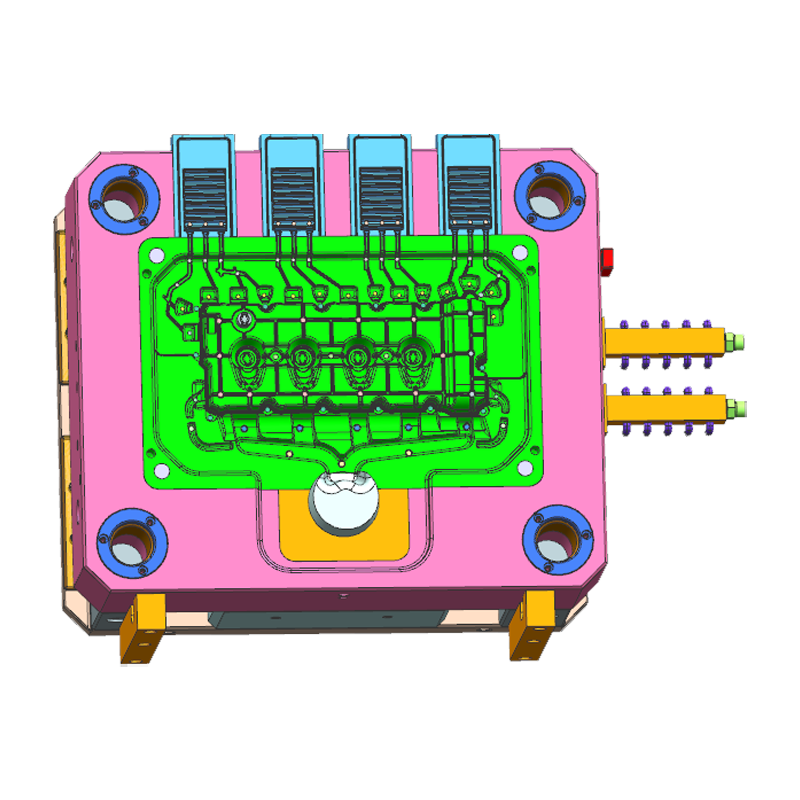
실린더 헤드 씰 연소실, 밸브 및 스파크 플러그, 냉각수 통로를 형성하고 200 bar 압력 및 300 ° C 온도를 견딜 수 있습니다. Isuzu Cylinder Head Mold는 Isuz...
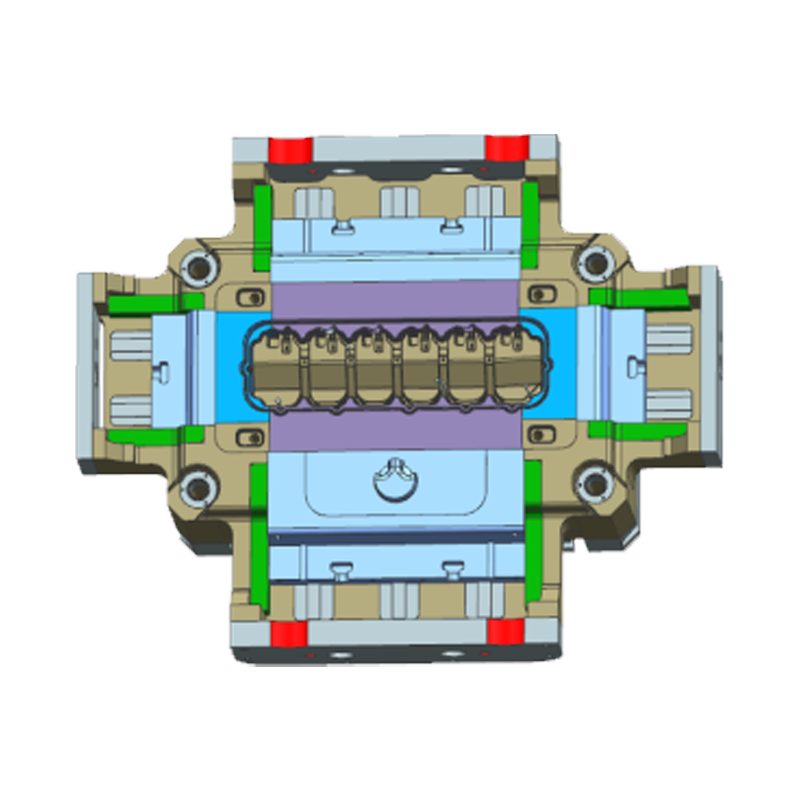
캠 샤프트 브래킷 커버는 캠 샤프트 위치를 고정하고, 누출을 방지하기 위해 오일 채널을 밀봉하고, 오염 물질을 차단하며, 안정적인 윤활 시스템 작동을 보장합니다. 금형의 개발은 매우 높은 요구...
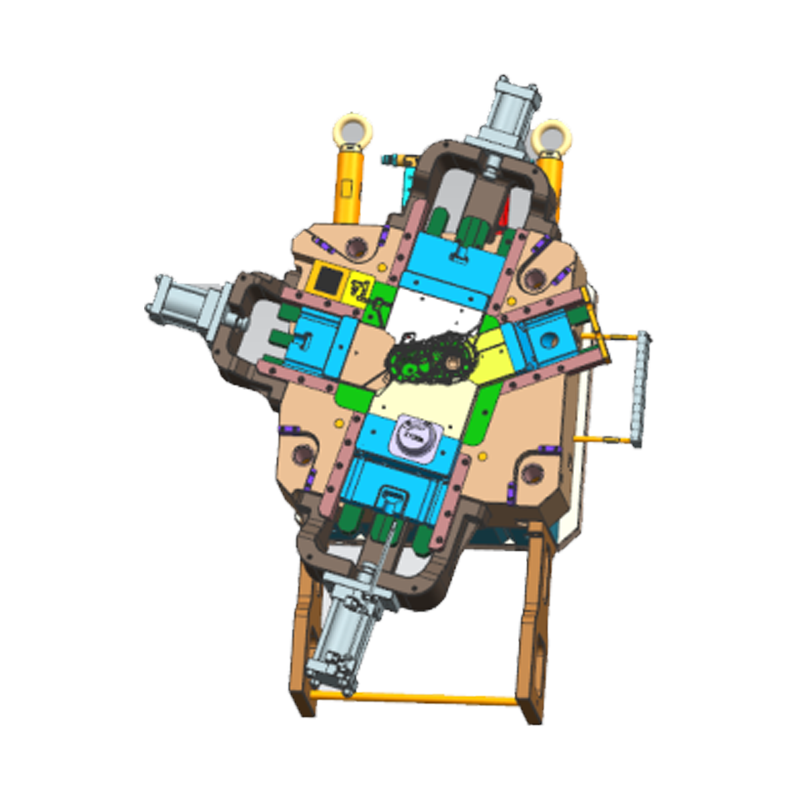
알루미늄 다이 캐스팅 기어 박스 금형 가장 중요한 요구 사항 : 1. 재료 특성은 고온 저항이 필요하며 내마모가 필요합니다. 2. 구조 설계 : 표면 최적화 및 주조 시스템 설계, ...
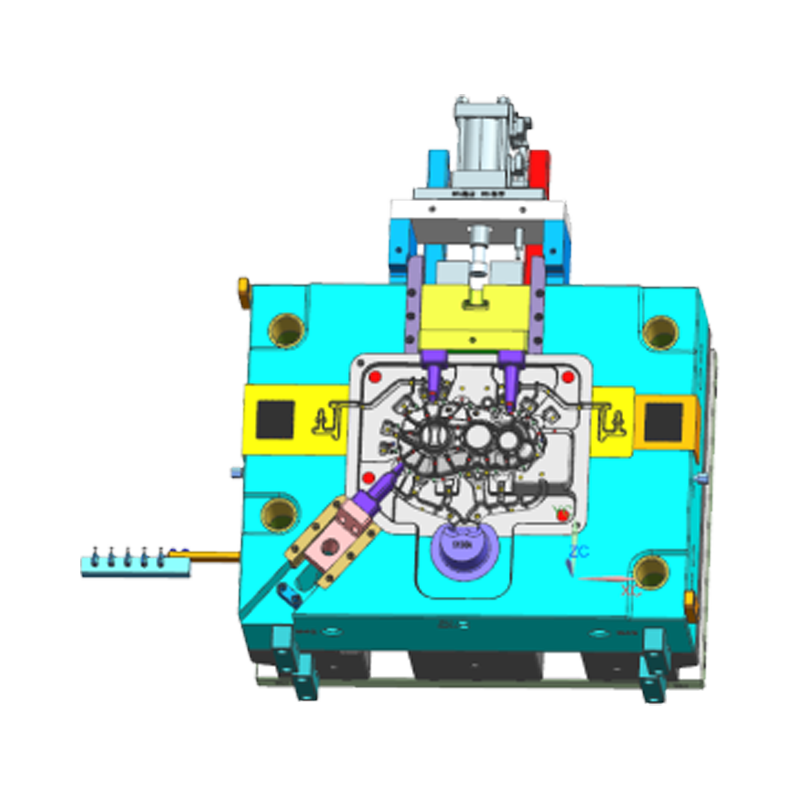
다이 캐스팅 변속기 EM 측면 하우징 금형은 NIO 변속기 후면 하우징을 위해 JYD (Yunmai)가 설계했습니다. 각 금형의 치수와 모양이 정확한지 확인하는 Yunmai 고정밀 금형은...
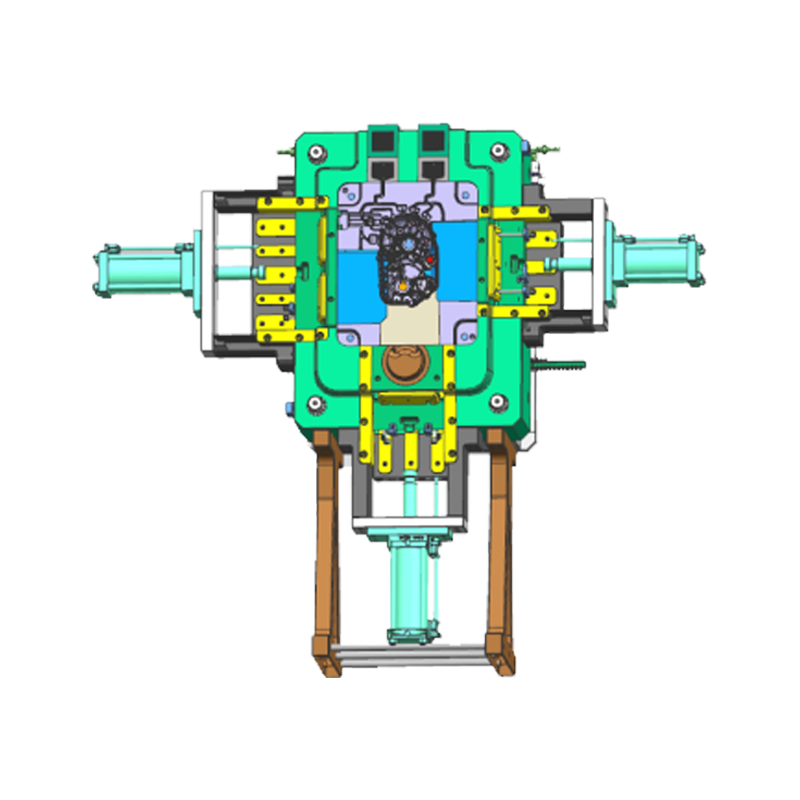
변속기 후면 하우징 금형은 자동차 파워 트레인의 효율적이고 정확한 제조의 기초입니다. 최신 다이 캐스팅 금형 설계 기술 및 장비를 활용하여 제품 정밀도와 일관성을 보장합니다.
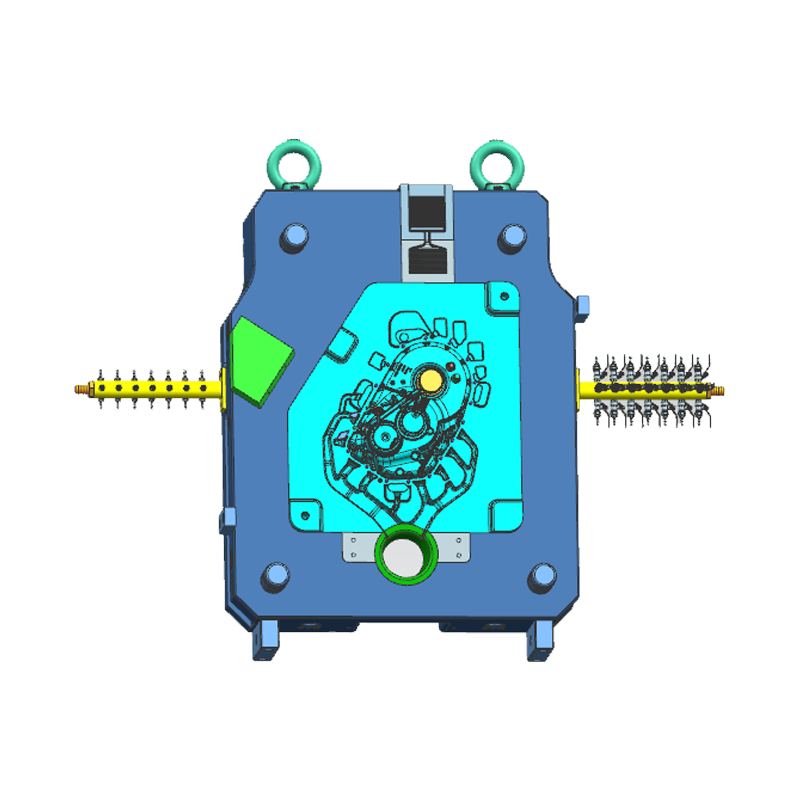
Seres transimistion은 복잡한 공동 구조를 채택합니다. 고효율 냉각 시스템, 금형의 개발은 매우 높은 요구 사항이며, Yunmai는 고객의 요구 사항을 매우 잘 충족시키기 위해 ...
저작권 © Ningbo Yunmai Precision Machinery Co., Ltd. 모든 권리 보유
